
Maurice Malone

If you know denim...

African American denim designer and fashion brands owner Maurice Malone speaking to students in denim class at Parson School of Design
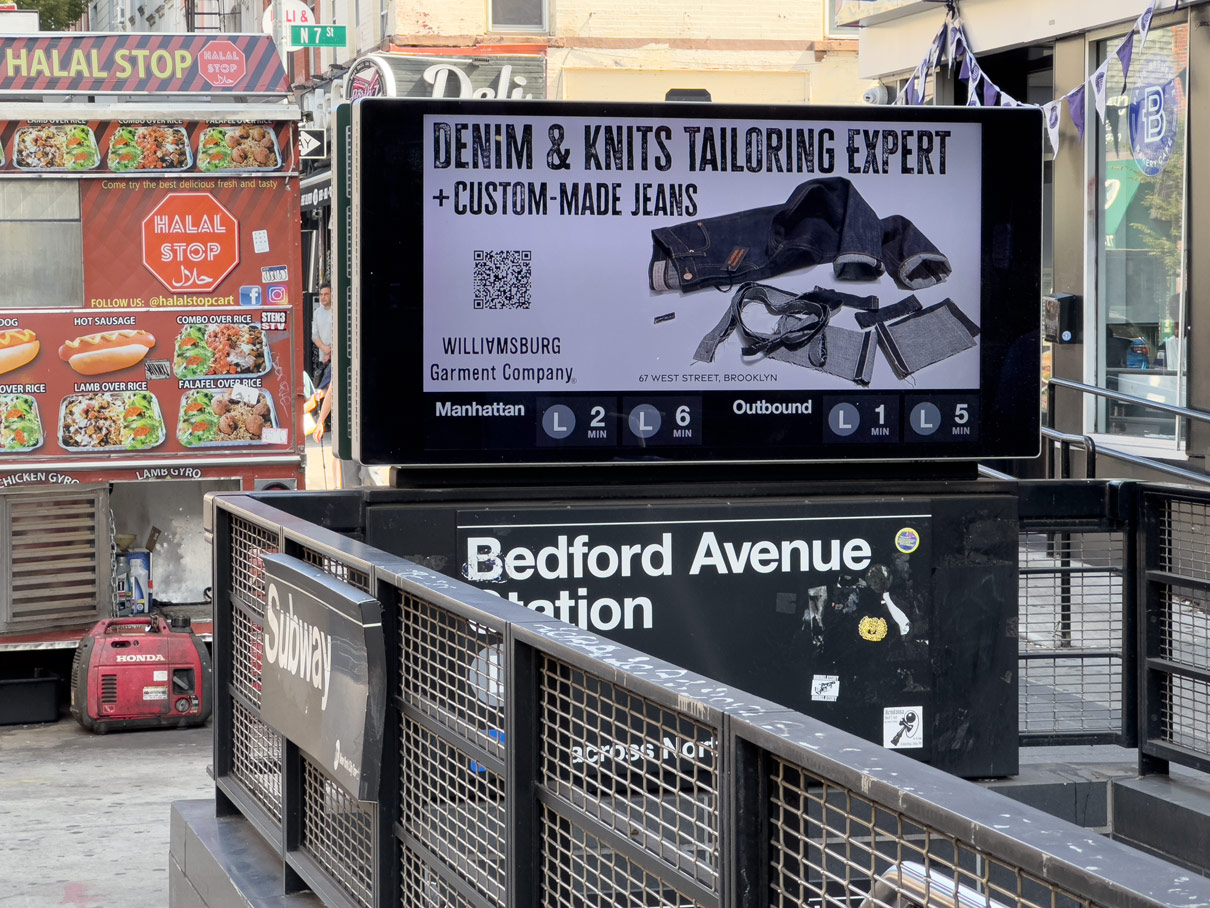
Subway billboard at Bedford Avenue Station featuring Williamsburg Garment Companyโ€™s denim tailoring and knitwear alteration ad above the L Train entrance.
/

Williamsburg Garment Co. Brings Real Denim Tailoring to Light

Even in 2025, many people still take their jeans to the dry cleaners for alterations. And most have never even considered that you can professionally hem or crop a T-shirt. We’re trying to change that.

This month, our ads began appearing across MTA subway entrances along the L Train, including key locations in Williamsburg, Brooklyn and Manhattan. It marks the start of a long-overdue public education campaignโ€”not just for our brand, but for the concept of denim tailoring itself.

Most people simply donโ€™t realize that tailoring jeans or knitwear is a specialized service. Itโ€™s not something every tailor does well, and it requires more than a sewing machine and thread. The right tools, machines, and knowledge matter. And unless youโ€™ve spent time in the industryโ€”or been burned by a bad alterationโ€”you probably havenโ€™t had a reason to think about it. Until now.


The Problem With Traditional Tailoring

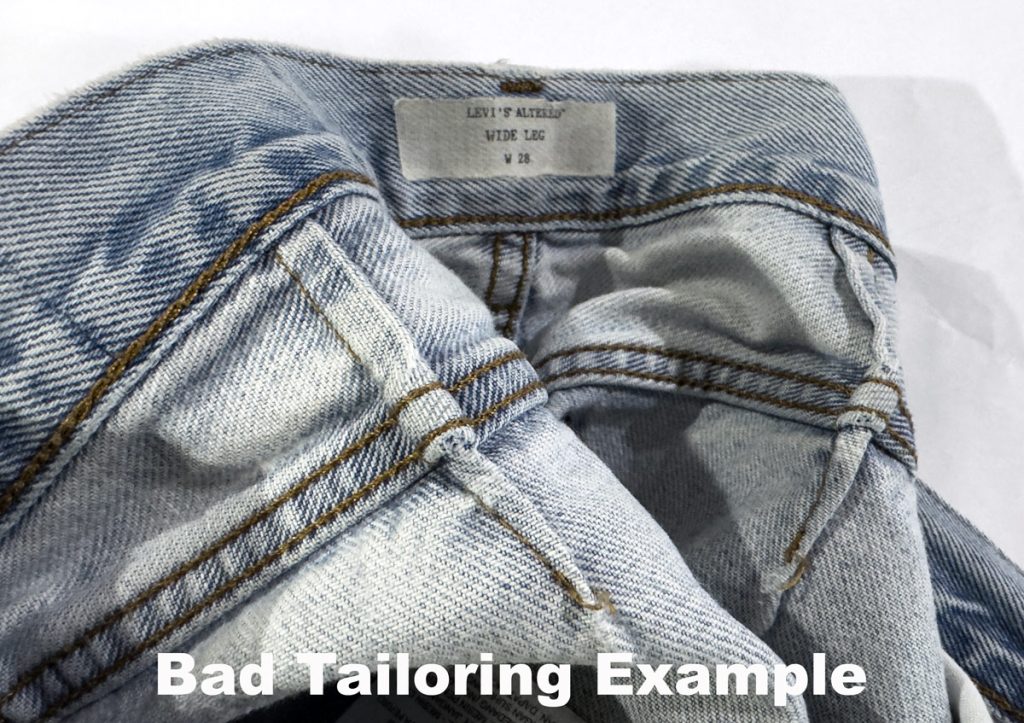
Letโ€™s start with jeans. When someone walks into a generic tailor and asks to take in the waist, two things usually happen: they either get visible darts along the back waistband or a mismatched seat seam that doesnโ€™t look anything like the original construction.
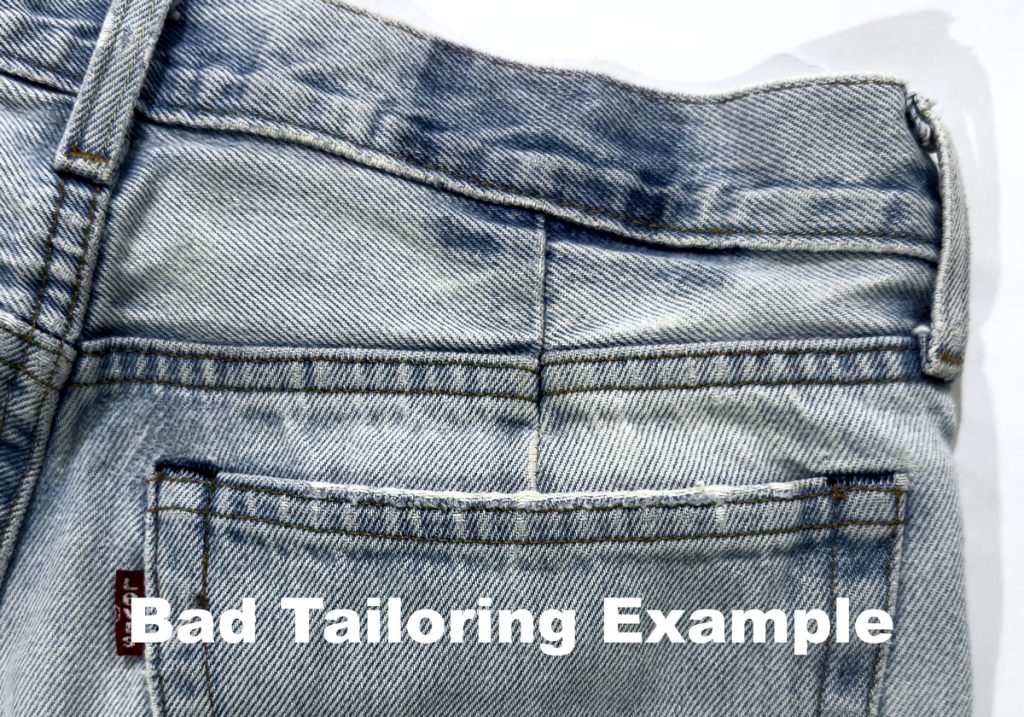
Exterior view of jeans waistband showing a darted seam from a poorly executed waist alteration
Interior photo of a Leviโ€™s jeans waistband showing poor tailoring with visible darts sewn into the seat area. This method is commonly used by traditional tailors who lack the correct equipment or knowledge for professional denim tailoring.
Inside view of jeans waistband showing bad tailoring with darts added to take in the waist
Interior photo of a Leviโ€™s jeans waistband showing poor tailoring with visible darts sewn into the seat area. This method is commonly used by traditional tailors who lack the correct equipment or knowledge for professional denim tailoring.
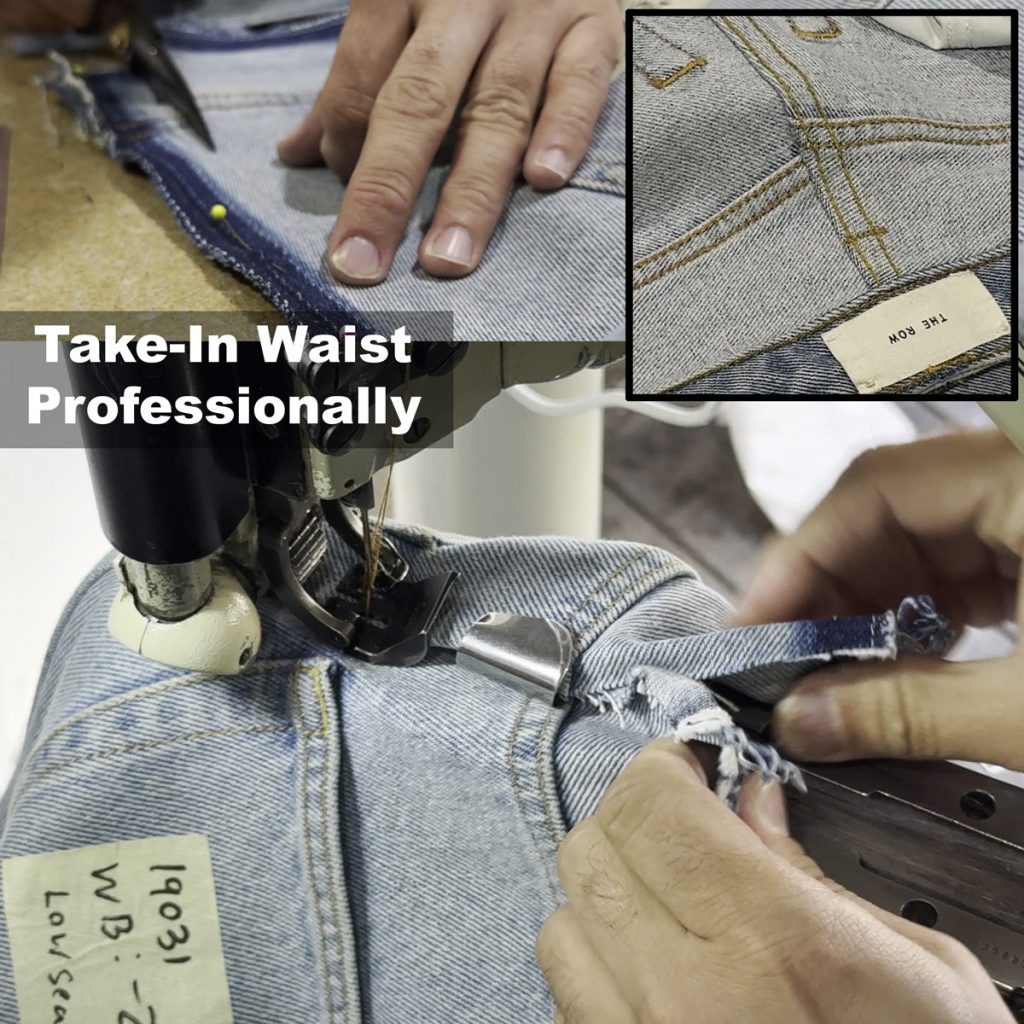
How to take in jeans at the waist professionally using industrial feed-off-the-arm chainstitch machines. The image shows cutting, sewing, and a clean inside finish before and after without darts.
This photo demonstrates the steps involved in how to take in jeans at the waist professionally. The main image shows the seat seam being closed up using an industrial feed-off-the-arm chainstitch machine after trimming the waist from the inseam. In the top left, the tailor is shown cutting away excess fabric along the seam. The inset image in the upper right reveals the inside view of the final clean-finished result, completed without the use of darts, replicating a factory-style construction.

Some tailors try to mimic our methodโ€”removing excess fabric from the center back seat seamโ€”but they don’t have the right equipment to finish the job correctly. Most jeans are sewn with a flat-felled, double-needle chainstitched seam that requires industrial machinery. At Williamsburg Garment Company, we use the same types of machines that denim factories do. Why? Because we make jeansโ€”not just repair themโ€”and we rebuild every altered section to factory specs.

The same applies to hemming. One of the more common gimmicks we see is the so-called โ€œoriginal hemโ€ reattachment. Tailors cut the hem off, shorten the legs, and stitch the original hem piece back on. It creates an awkward, unnecessary seam above the hemlineโ€”and exists only because they canโ€™t sew cleanly through multiple layers of denim.

What most people donโ€™t realize is this: the wear, twist, and fade of the original hem naturally returns after one or two washes. With the right thread, tension, and stitch, the new hem will age just like the originalโ€”without tricks.


T-Shirts Are No Different
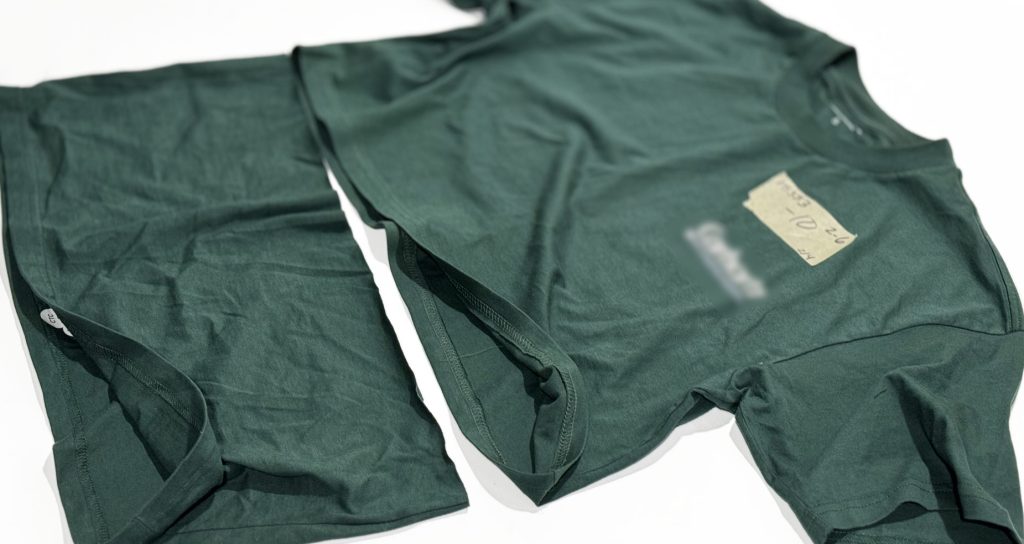
An example of Williamsburg Garment Company's professional t-shirt hemming service on a green cropped t-shirt shows the coverstitched sewing and shortened lower half of the cut-away part of the tee for before and after review.
Before and after view of a men’s green t-shirt customized into a women’s cropped t-shirt. The original hem is visible beside the cropped version, highlighting the factory-level coverstitch sewing on the inside of the garment.

If youโ€™ve ever had a T-shirt hem curl, stiffen, or lose stretch after a tailoring job, chances are it was sewn with the wrong machine. Most shops don’t have a coverstitch machineโ€”the industrial standard for hemming knits.

Thatโ€™s why T-shirt hemming is part of our campaign too. Because tailoring knitwear also requires precision equipment. A proper hem on a tee should stretch, flex, and sit flatโ€”just like it did before. And that takes the right tools.


Tailoring Thatโ€™s Built for the Way People Live Now

The other part of this campaign is accessibility. People often ask, โ€œDo I have to be in New York to use your services?โ€ The answer is no. You donโ€™t even have to leave home.

Weโ€™ve built our system so anyone in the U.S. can get professional denim and knitwear tailoring.

  • You order online
  • Using 2-way shipping, we email you a shipping label
  • You send your garments to us
  • We tailor them and ship them back

We like to say: if you can order a pizza online, you can order tailoring services from us. Just like choosing your toppings, crust style, and sides, our ordering pages walk you through clear dropdown menus to select exactly what you needโ€”whether itโ€™s hemming, tapering, waistband adjustments, or more.

And if you come across a term youโ€™re unfamiliar withโ€”like โ€œinseam typeโ€ or โ€œbar tackโ€โ€”thereโ€™s likely a link right there to a help article, video, or visual example that breaks it down. Weโ€™ve built our platform to be intuitive, but we also understand that not everyone speaks denim. Thatโ€™s why the information is always within reach.

Still have questions? Call us during business hours and youโ€™ll speak to a real personโ€”not an automated phone maze, robo-operator, or AI gatekeeper. Just denim people who know exactly what youโ€™re talking aboutโ€”and what your jeans need.


Putting Denim Tailoring Where People Can See It

These subway ads are the first step in a year-long marketing effort to bring denim tailoring out of the shadows. Until now, most people have either accepted poor alterationsโ€”or never even knew there was a better option.

So if you’re walking past the Bedford Avenue Station or through Manhattan along the L line, and you spot our billboard, know that itโ€™s more than an ad. Itโ€™s a message:
Thereโ€™s a better way to tailor jeans.
Thereโ€™s a better way to crop your tees.
And you donโ€™t need to be in New York to get it done right.

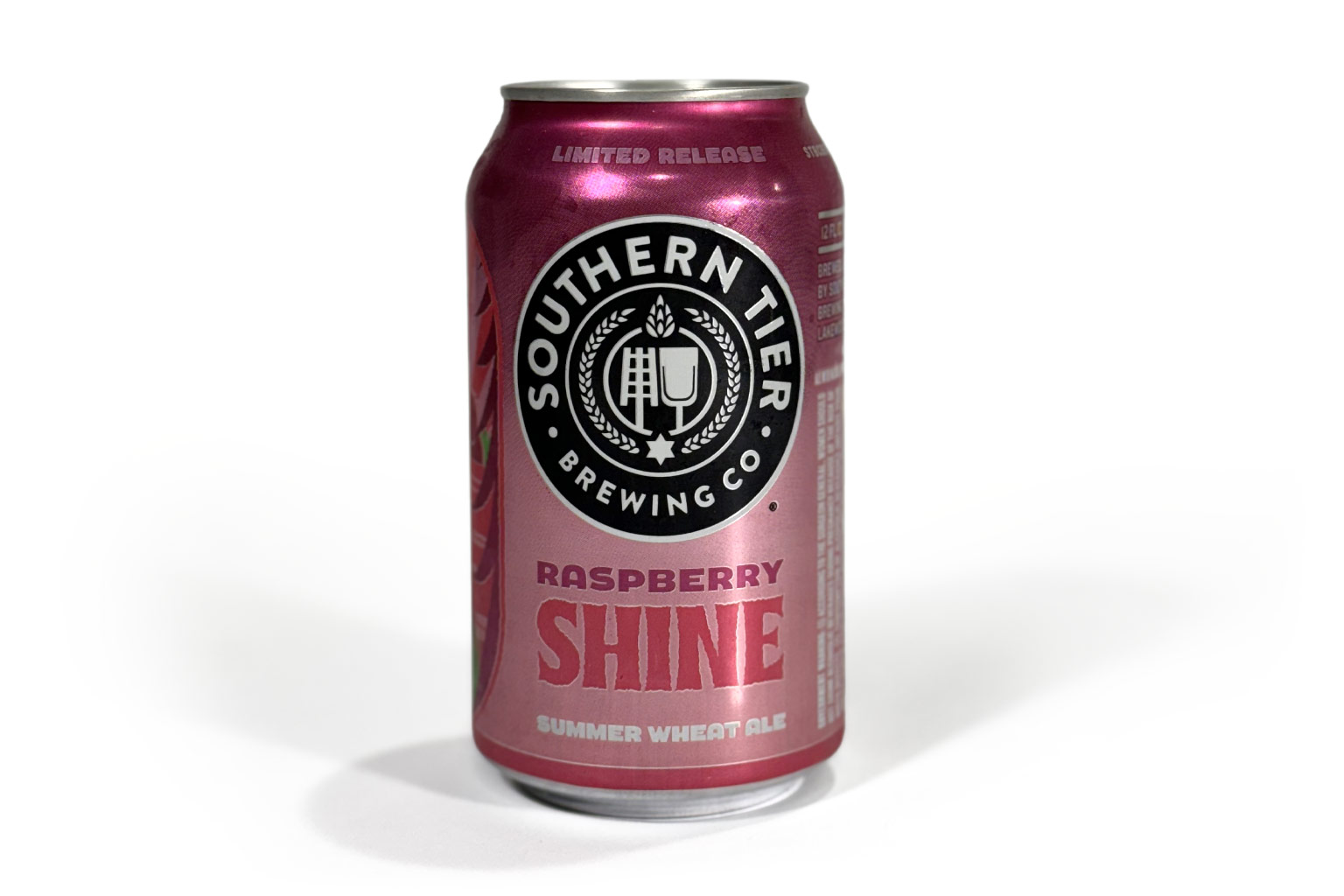
A 12oz can of Southern Tier Raspberry Shine Summer Wheat Ale, photographed for a blog review on its aroma, flavor, and overall drinking experience.

Review of Raspberry Shine Summer Wheat Ale by Southern Tier

Southern Tier’s Raspberry Shine Summer Wheat Ale greets you with a pleasant aroma of fresh raspberries, setting an inviting tone. Each sip provides mild raspberry flavor, slightly reminiscent of candy but without becoming overly sweet or artificial. Although there’s a touch of syrupiness, it doesn’t dominate or weigh the beer down.

The ale finds balance between vibrant raspberry notes and its wheat malt base, making it a nice choice for relaxed summer sipping. Its subtle bitterness in the finish is noticeable but mild enough not to distract from the fruity profile, even though it prevents the beer from being as crisp and refreshing as some may prefer.

Overall, Raspberry Shine offers an easy-drinking experience, best suited for those who appreciate fruity wheat beers on a hot day. While it might not top my favorites list, it’s certainly enjoyable and worth trying if raspberries are your thing.

  • Style: Summer Wheat Ale
  • ABV: 4.6%
  • IBUs: N/A
  • Seasonal: Summer (limited release)
  • Brewer: Southern Tier Brewing Company, founded in 2002 in Lakewood, New York, is known for its wide range of innovative ales and lagers, including seasonal specialties and experimental releases. The brewery takes pride in balancing bold flavors with approachable drinkability, offering beers that appeal to both craft enthusiasts and casual drinkers.
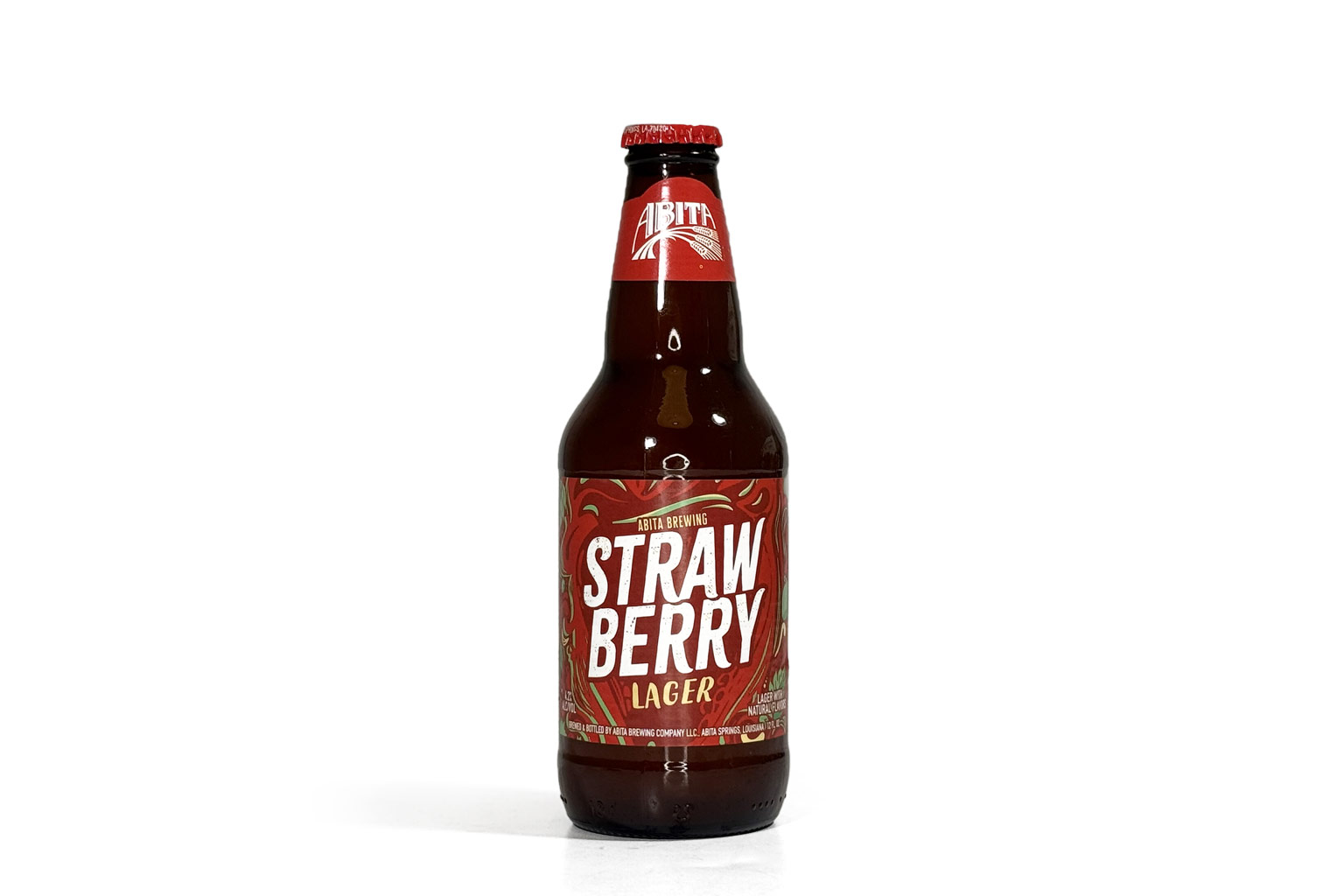
12oz bottle of Abita Strawberry Lager with a red label featuring strawberries, brewed with real Louisiana strawberries.

Abita Strawberry Lager Review

I first tried Abita Brewing Companyโ€™s Strawberry Lager years ago and thought it was just okay. At the time, I even liked another strawberry beer more. But beer can change over time, so I decided to give it another shot. Iโ€™m glad I didโ€”this one is much better than I remember.

Brewed with juicy, ripe Louisiana strawberries picked at their peak, this crisp lager immediately hits you with the aroma of real strawberry as soon as itโ€™s poured. The flavor is sweet but balanced, with enough strawberry to stand out while still letting the light gold lager, made with pilsner and wheat malts and Tradition hops, shine through. Thereโ€™s no artificial aftertasteโ€”just a clean, refreshing finish that makes it easy to go back for another sip.

One of the best things about Abita Strawberry Lager is that itโ€™s available year-round. That means whether itโ€™s the middle of summer or the dead of winter, you can enjoy its bright fruit character and crisp, easy-drinking nature anytime. If youโ€™re looking for a fruit beer that actually tastes like fresh fruit and is refreshing from start to finish, this oneโ€™s worth picking up.

  • Style: Fruit Lager
  • ABV: 4.2 %
  • IBUs: 13
  • Seasonal: Year-round
  • Brewer: Abita Brewing Company, located in Abita Springs, Louisiana, crafts its beers using pristine artesian water drawn from deep local wells. Known for producing full-flavored, easy-drinking ales and lagers, the brewery also makes small-batch sodas, root beer, and hop waterโ€”all brewed to reflect the Louisiana way of life.


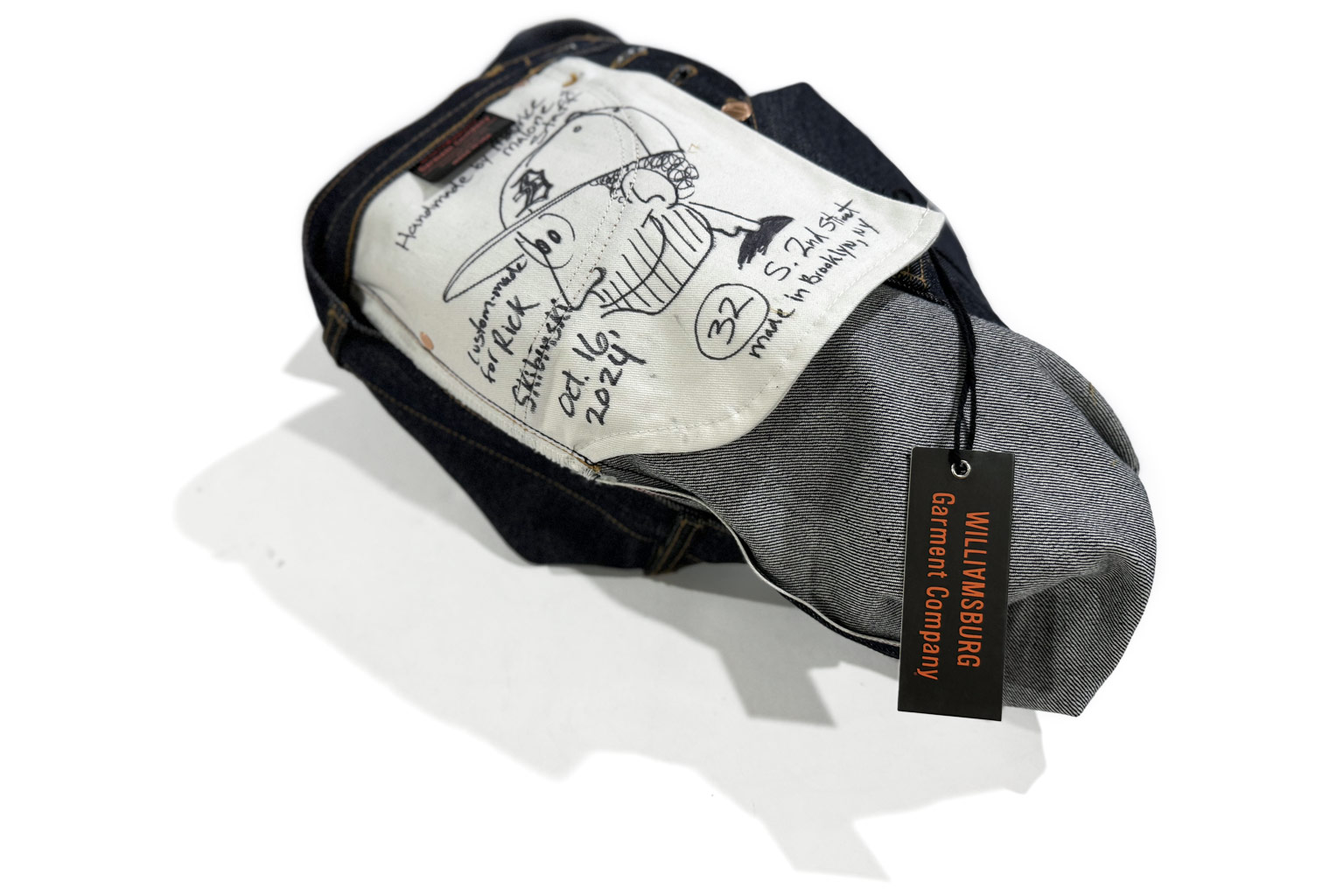
Signed handmade jeans with illustrated pocket bag and Williamsburg Garment Company tag, representing the upcoming denim workshop where attendees learn how to make jeans.
//

Denim Workshop: Learn How To Make Jeans

If youโ€™re serious about denimโ€”about understanding how jeans are made, how theyโ€™re designed, and how the pieces really come togetherโ€”this is the workshop youโ€™ve been waiting for.

This fall, Iโ€™ll be leading a new Denim Workshop inside the Williamsburg Garment Company studio in Brooklyn. The workshop is produced by Williamsburg Garment Company, Maurice Malone (the brand), and MakingABrand.co. Itโ€™s designed for aspiring denim designers, fashion students, and apparel professionals who want real-world experience and hands-on training in how to make jeans using professional machines and methods.

Classes will be held on Sunday evenings, starting October 26, 2025. Iโ€™ll be teaching live in the same studio where we sew jeans every day for our brands.

If you’re interested, sign up now to the emailing list at WilliamsburgGarment.com, MauriceMaloneUSA.com, or MakingABrand.co. You can also follow any of our social media channels for updates when enrollment opens.

Denim Workshop is part of my goal to help inspire and develop the next generation of great denim designers.

This isnโ€™t a class for hobbyists or home crafters.

You may have tried learning through YouTube or social media videosโ€”but when youโ€™re serious about mastering a craft, you quickly realize that online content can only take you so far. You want to understand the process in real time, ask questions, and get answers that arenโ€™t surface-level. Thatโ€™s what this workshop is built for.

Over the course of the program, youโ€™ll:

  • Learn how to make jeans using real industrial machines and techniques
  • Understand stitch types, seam construction, and when to use them
  • Watch my team build a full pair of jeans from beginning to end, with full transparency
  • Learn the basics of pattern making, and how to adjust fit through sample sewing
  • Construct a fit sample, make corrections, and finalize your own personalized pattern
  • Sew a complete, wearable pair of jeans using professional techniques

Youโ€™ll walk away with a finished garment and a real understanding of how jeans are madeโ€”not just on paper, but in practice.

Class sizes will be limited so that everyone gets hands-on time and personal guidance. This is an immersive experience, not a passive demo.

If that sounds like what youโ€™ve been searching for, join the emailing list today. More details will be announced soon.

Letโ€™s make some jeans.

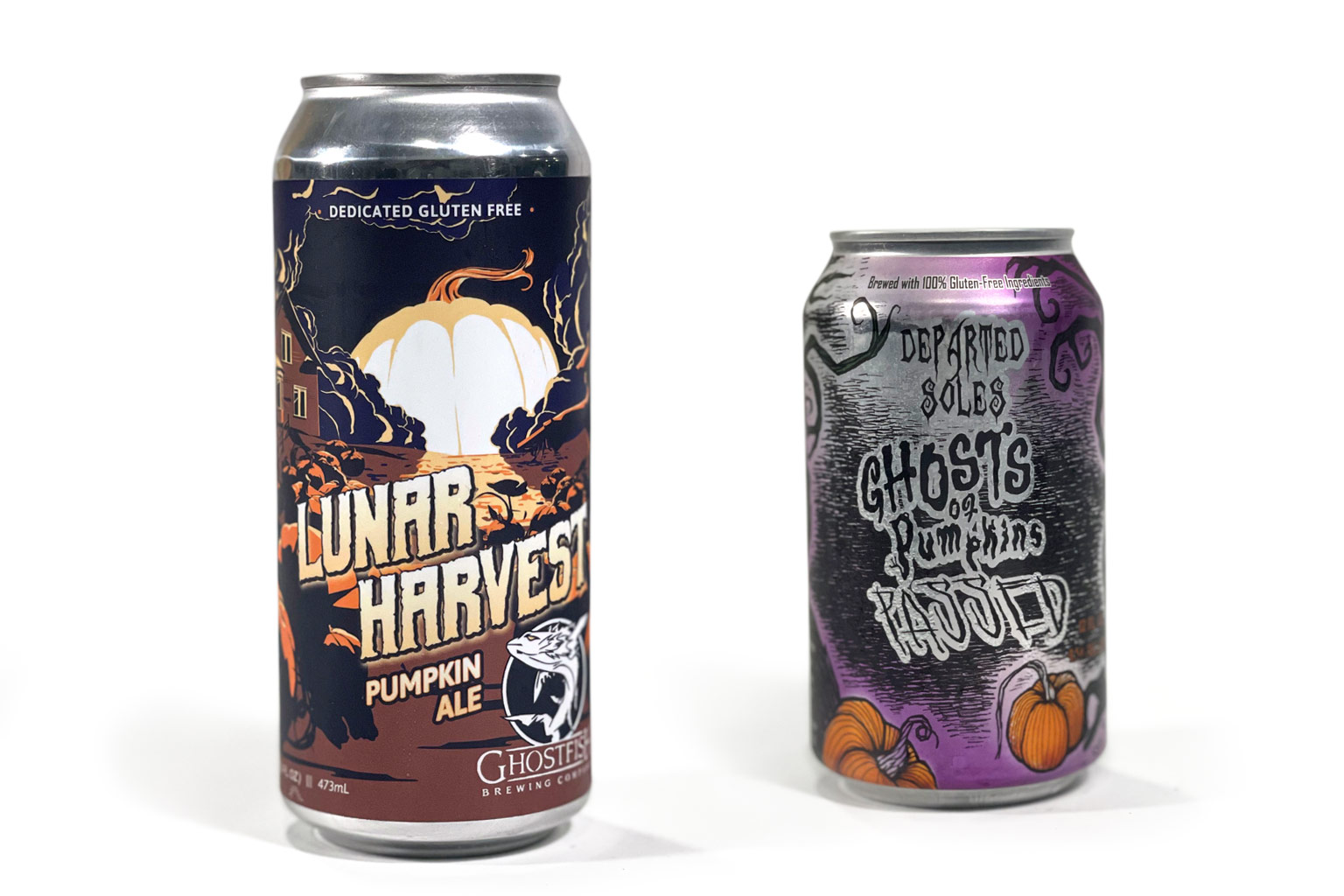
Side-by-side image of Ghostfish Lunar Harvest Pumpkin Ale and Departed Soles Ghosts of Pumpkins Passed gluten-free pumpkin beers.

Two Gluten Free Pumpkin Beers Worth Sipping This Fall

If you’re in the market for a gluten free pumpkin beer that actually delivers on flavor, you’re not alone. Every fall, shelves are packed with pumpkin brews โ€” but most are off-limits to gluten-sensitive drinkers. Fortunately, a few standouts are giving the gluten free beer category something to celebrate. Here are two that impressed us in our ongoing taste test.

These picks are part of our evolving roundup: A Fluid List of the Best Pumpkin Beers Ranked. The number in the title might change, but the pursuit of great pumpkin beer never stops.

Ghosts of Pumpkins Passed โ€“ Departed Soles Brewing Co.
This rich copper-hued gluten free pumpkin beer opens with smooth sweetness before building into a satisfying blend of pumpkin and spice. At 4.5% ABV, it offers an easy-drinking experience without sacrificing character. Unlike many lower-ABV brews that fall flat, this one hits the mark โ€” delivering balanced flavor and body without overwhelming the palate.

Lunar Harvest Pumpkin Ale โ€“ Ghostfish Brewing Co.
A Silver Medal winner in Sip Magazineโ€™s 2021 Best of the Northwest, this Belgian-style gluten free beer brings the flavor. Brewed with pumpkin puree and a classic pie spice blend (think ginger, nutmeg, and cinnamon), itโ€™s smooth and gently spiced with a light sweetness. Though it leans toward lower carbonation, it still finishes clean and remains one of the most polished gluten free pumpkin beers we’ve tasted.

Want to see how these stack up against the rest?
Visit our Fluid List of the Best Pumpkin Beers Ranked to see where these brews land โ€” and which ones you should try next. The list is always growing, so check back for the latest sips and surprises.

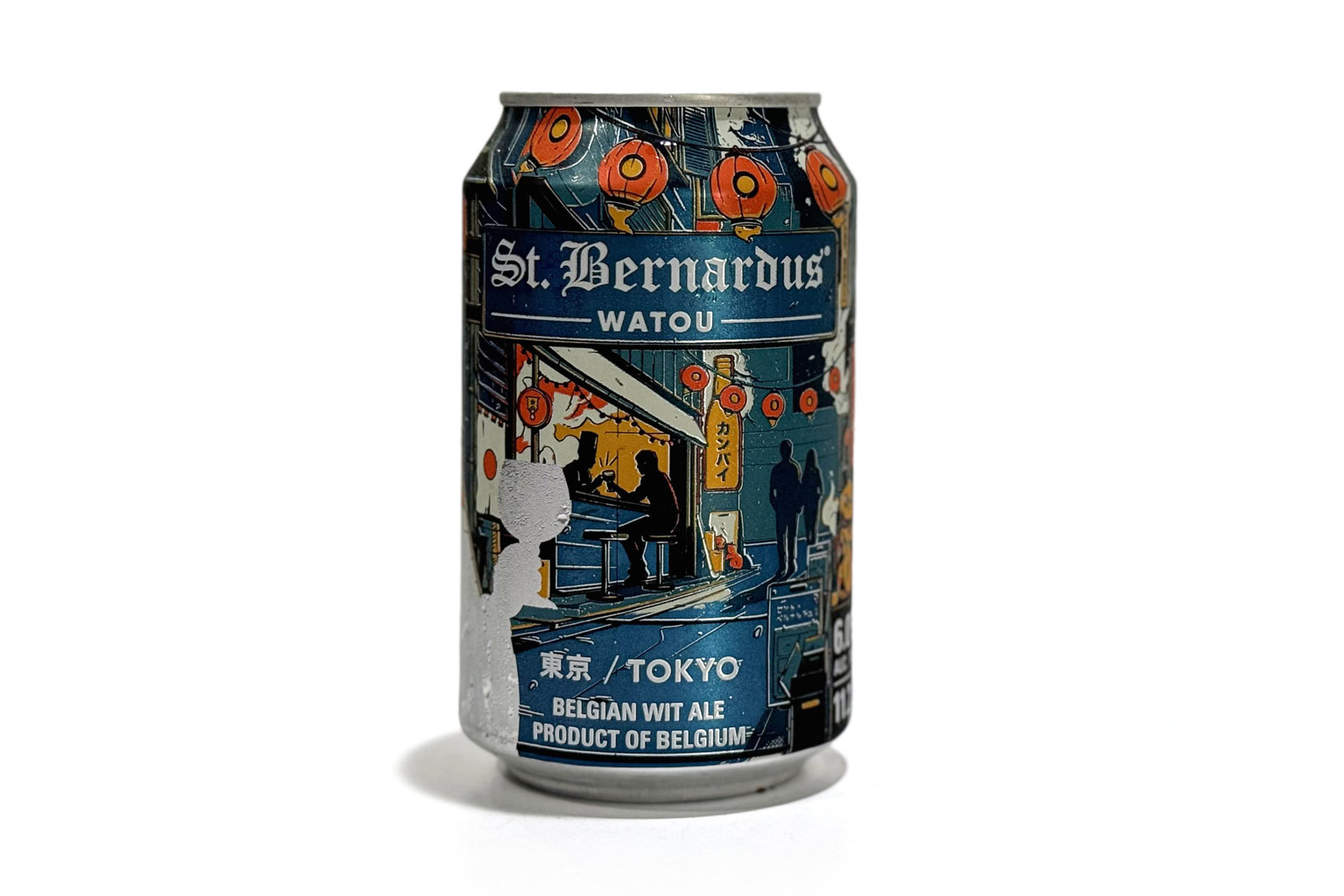
Can of St. Bernardus Watou Tokyo Belgian Wit Ale with Japanese-inspired artwork depicting nightlife in Tokyo.

St. Bernardus Tokyo Wit Reviewโ€”A Belgian Witbier with a Tokyo Twist

St. Bernardus Tokyo Wit is a solid Belgian witbier offering a straightforward yet pleasing experience. It pours beautifully with a cloudy, golden hue capped by a thick white head, providing a visual treat before the first sip. On the nose, gentle aromas of citrus and coriander come forward, complemented by subtle hints of clove and a floral undertone, adding depth without overpowering the senses.

Taste-wise, St. Bernardus Tokyo Wit delivers a smooth, refreshing profile highlighted by a mild wheat base. Citrus notes are balanced by a gentle spice, creating a harmonious flavor that’s enjoyable sip after sip. While the carbonation feels somewhat mutedโ€”giving the beer a flat sensationโ€”it doesn’t detract significantly from the overall drinking experience.

The beer finishes with a pleasant dryness, coupled with a lingering, subtle bitterness that cleanses the palate without overstaying its welcome. While it might not reinvent the style, its nuanced flavor profile makes it a great option for anyone looking for a reliably tasty witbier. Easy-drinking yet layered enough to keep things interesting, this beer might just earn a regular spot in your rotation.

  • Style: Witbier
  • ABV: 6.0 %
  • IBUs: 15
  • Available: Year-Round
  • Brewer: Brouwerij St. Bernardus, Watou, Belgium